
Humans Are Hot In 2026
If you’re old enough to remember the dotcom boom — or even just the $77 billion boondoggle that was the Metaverse — you may be having flashbacks every time the media, and the tech company PR machines driving the hype, try to convince you the AI revolution is unstoppable. AI hype is real, ya’ll, and the numbers back it up. In 2025, Pew Research found, “50% say they’re more concerned than excited about the increased use of AI in daily life, up from 37% in 2021.”
Still, we all know those people who want to use AI for everything from meal planning (whatever happened to Pinterest boards?) to social media posts (is authenticity a thing of the past?) to entire commercials that then have been pulled due to enraged audiences, which is more than I can say for the Metaverse.
When ChatGPT and its generative AI brethren burst onto the scene, potential clients wanted to know if we used AI, and were relieved to find out we did not. Current clients were worried the white papers we’d spent weeks producing — interviewing subject matter experts, digging up stats, writing and revising — were going to be sucked into the AI vortex and spit out for everyone and their favorite bot to reuse (thank goodness for registration walls!). Ironically, we also spend a lot of time writing blog articles for clients about the appropriate use of generative AI. Still, we’ve felt the tide turning, as we hear more people saying things like, “Just take the transcript, throw it into ChatGPT and get a draft.” No, thanks, we’d rather write it than have to edit the slop.
It would be easy to dismiss us as curmudgeons. The reality is, I’ve been following the evolution of AI-created content and the ethical implications of it long before most of you had heard of ChatGPT. We occasionally get tired or overwhelmed and turn to the bots for answers too, but there are real reasons to avoid AI-generated content and turn back to humans in 2026.
Reasons to hire a human, and leave AI behind in 2026
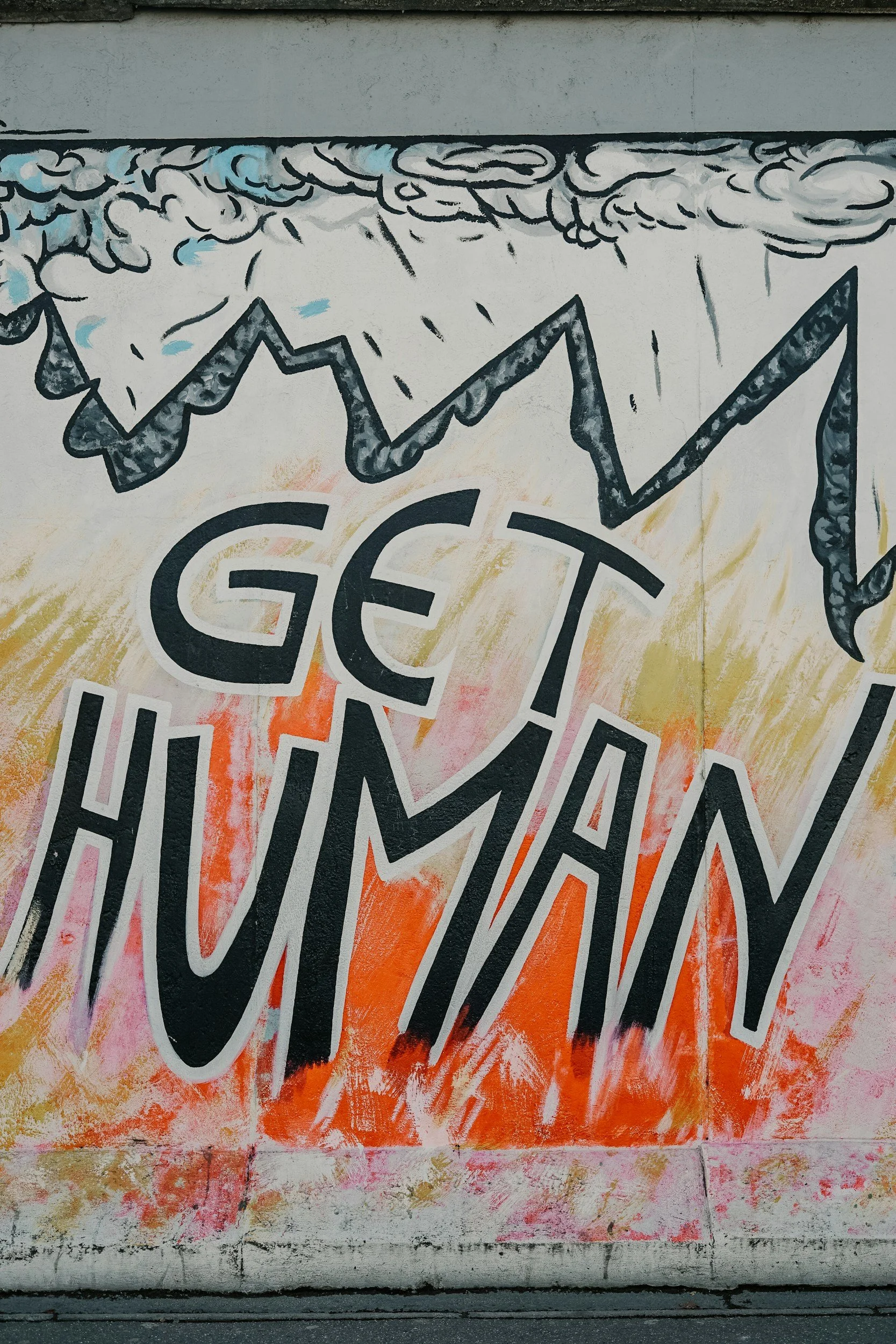
The AI backlash has begun
While we already had a backlog of research to support our thesis for this post, we still did some basic Googling before sitting down to draft it, and we quickly found that we’re not the only ones who think AI is going to get its comeuppance soon. Over at CNN, Allison Morrow thinks 2026 could be the year of anti-AI marketing. She points out that iHeart radio has promised not to use AI-generated personalities or music: “The San Antonio-based audio company’s own research found 90% of its listeners — even those who use AI tools themselves — want their media created by humans.”
iHeart isn’t alone. The editors of an independent news site in Canada published their decision not to publish “journalism that is written or generated by AI.” You’d think newsrooms would be the first to understand that accuracy and authenticity matter, and would keep AI at arm’s length, but as Morrow points out, the Washington Post “recently released a widely criticized error-ridden podcast bot.”
Surprisingly, marketers — who usually follow the winds of public opinion like weathervanes — are resisting the backlash. While platforms like Pinterest have introduced tools to let users control how much AI-generated content they see, marketers are still holding strong, reports Digiday: “AI-produced creative content promises speed and scale — an oasis in the desert for cash-strapped, do more with less-tasked marketers. Slop, which could be seen as a byproduct of AI-produced creative, is of less concern.”
This attitude is a byproduct of a bigger problem in marketing, created largely by the web itself (and the voracious appetites of corporations who will increase profits for shareholders at any expense). Forget Don Draper and Peggy Olson pulling all-nighters with a bottle of rye, now we’ve got underpaid recent grads putting prompts into AI engines to crank out massive amounts of content to keep the algorithmic Gods satiated. Meanwhile, some content creators are reportedly intentionally including typos and other errors to make it clear a human created the content you are consuming.
With these kinds of signals in mind, some marketers are already looking ahead. Again, Digiday reports, “‘While we’re not totally against it, some of those AI are going to have a short term in the market, where consumers are interested in them,’ said Jennifer Jasnoch, director of marketing for home entertainment at Sony, ‘but then it’s going to go back to craving that authenticity.’”
Even Google is exhausted by AI — and it’s impacting your SEO
You, like me, have probably heard that more than 50% of the content on the web is now AI generated. In October of 2025, Axios reported, “New articles generated by AI briefly outnumbered those written by humans online, but the two are now roughly equal, per a new report from SEO firm Graphite.” That’s a somewhat uplifting stat, I guess. And frankly, it’s not surprising, since human-generated content has always been the foundation on which generative AI content is built. Still, it’s worth wondering what easily identifiable AI-generated content is doing to your SEO and your site reputation.
Back in 2024, Search Engine Land (SEL) reported that even Google could not keep up with the sheer amount of content flooding the internet thanks to AI: “So, Google is resulting to shortcuts like reducing crawl budget for websites that have higher content velocity to their trust rating…This means that if you have thin, unhelpful, generic content, Google likely won’t index it at all.”
The reality is that you and your competitors are all turning to the same tools, and are probably asking the same questions, getting very similar answers. You then use the same engines to create a draft of your content. Yes, there will be slight differences based on your prompts and preferences, but you’re all turning out similar slop. As SEL put it, “Once a search engine detects the similarity of content across all those different websites, it will categorize it as unoriginal.”
The advice to combat this problem is remarkably similar to the advice we’ve always given clients: create helpful, in-depth content that is designed to address the needs of your audience and offer advice that establishes your company as a thought-leader. Or, as SEL puts it, “Today, the best way to get your content seen by Google is through content written with experience and opinion. AI cannot write based on experience.”
Audiences don’t trust AI
I can’t tell you how many times we’ve written about AI detectors over the past couple of years. Frankly, these tools seem to proliferate as quickly as the generative AI platforms. There are even AI tools that will rewrite the drafts of your AI-generated slop to try and make it less detectable. Can you imagine going to these lengths just to avoid paying a person to do a job that they are good at? Meanwhile, your audience is losing more and more trust in you.
At the risk of sounding redundant, audiences simply don’t trust AI and for good reason. A raft of research tells us that people are highly skeptical, and if they get a whiff of AI, their trust in your company nosedives:
AdWeek reported, “Research commissioned by Raptive—which handles ad sales for sites like Half Baked Harvest and Stereogum—found that people’s trust drops by nearly 50% when an article feels AI-generated, even if it isn’t.”
Pew Research tells us that “most Americans (76%) say it’s extremely or very important to be able to tell if pictures, videos and text were made by AI or people.”
Don’t kid yourselves, people can tell when you use AI to create content and they are sick of it! And I’d venture to guess that about half of the people who already don’t love your use of AI don’t even know about the environmental costs of companies simply refusing to hire a writer or designer to do a job. When they figure out how much of our precious energy and water resources are going toward putting people out of jobs, instead of, say, curing cancer, I personally hope they pick up their pitchforks and revolt. And your brand should be ready to go down with that ship if you are going to keep using AI unnecessarily and against your own long-term best interest.
We know writing is time consuming, difficult, and, frankly, not everybody’s bag. AI offers strapped small businesses expediency and convenience, but if you value quality, audience trust, and want to stand out from the competition, there are plenty of writers out there who won't break your bank and will deliver a much higher quality product (including us).